
Limestone Aggregate in Asphalt: Technical Advantages for Performance, Durability, and Moisture Resistance

Close up of roller flattening asphalt on jobsite.

Limestone aggregate plays a critical role in the performance of modern asphalt mixtures by contributing a unique combination of mechanical, chemical, and interfacial advantages. As producers, we emphasize that aggregate is more than a structural skeleton. It drives bonding, moisture resistance, stability, and long-term performance. Limestone’s mineralogy, surface chemistry, shape characteristics, and absorption behavior align […]

Read More… from Limestone Aggregate in Asphalt: Technical Advantages for Performance, Durability, and Moisture Resistance
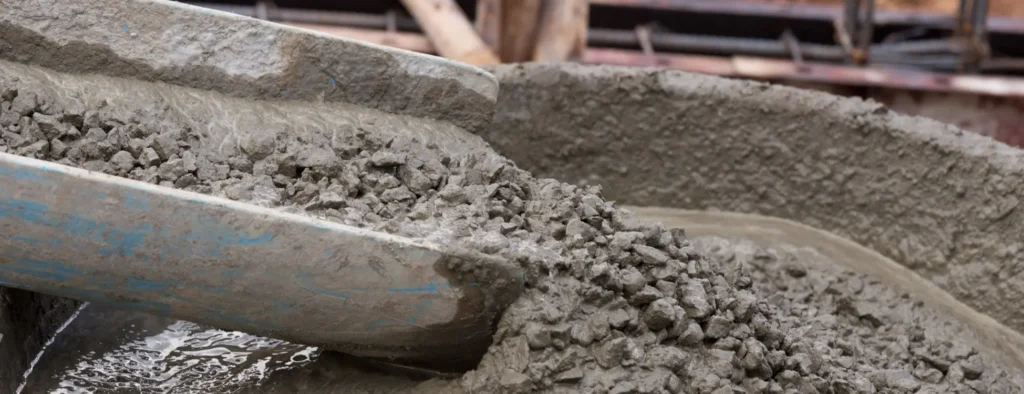
Why Aggregates Matter in Concrete and Why Limestone Leads the Way

Concrete is the world’s most widely used construction material, and aggregate is its foundation. Aggregates typically make up 60–80% of concrete’s volume and 70–85% of its weight, meaning its properties directly influence how concrete performs in the field. Aggregates are not an inert filler; their mineralogy, shape, gradation, durability, and interaction with cement paste fundamentally […]

Read More… from Why Aggregates Matter in Concrete and Why Limestone Leads the Way

Defining Construction Aggregates: Key Applications & Terminology

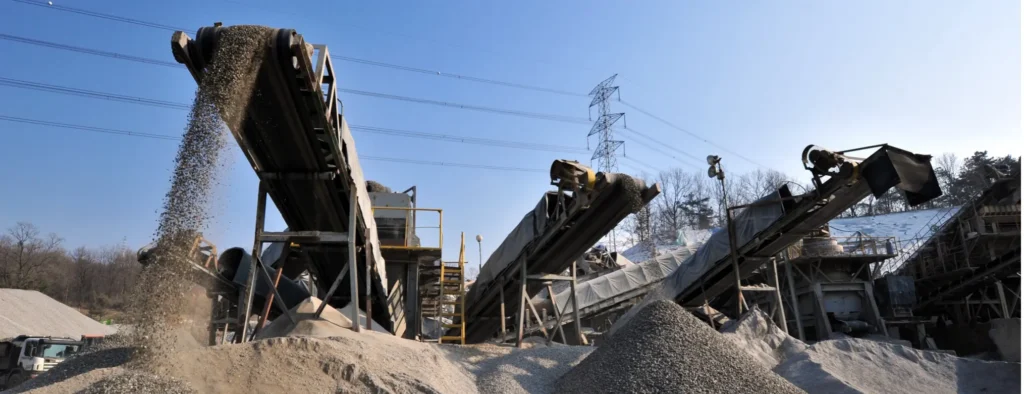
View of aggregate conveyors transferring materials at a plant.

Construction aggregates are the foundation of every construction and critical infrastructure project, providing the essential structural integrity, long-term durability, and long-lasting performance required for modern day engineering. Whether your project calls for natural sand, gravel, crushed limestone, manufactured sand, recycled aggregates, or specialty aggregates, selecting the right product is essential for performance. Without high-quality aggregates, […]

Read More… from Defining Construction Aggregates: Key Applications & Terminology