
Heavy Civil Construction
Infrastructure
News/General
Defining Construction Aggregates: Key Applications & Terminology
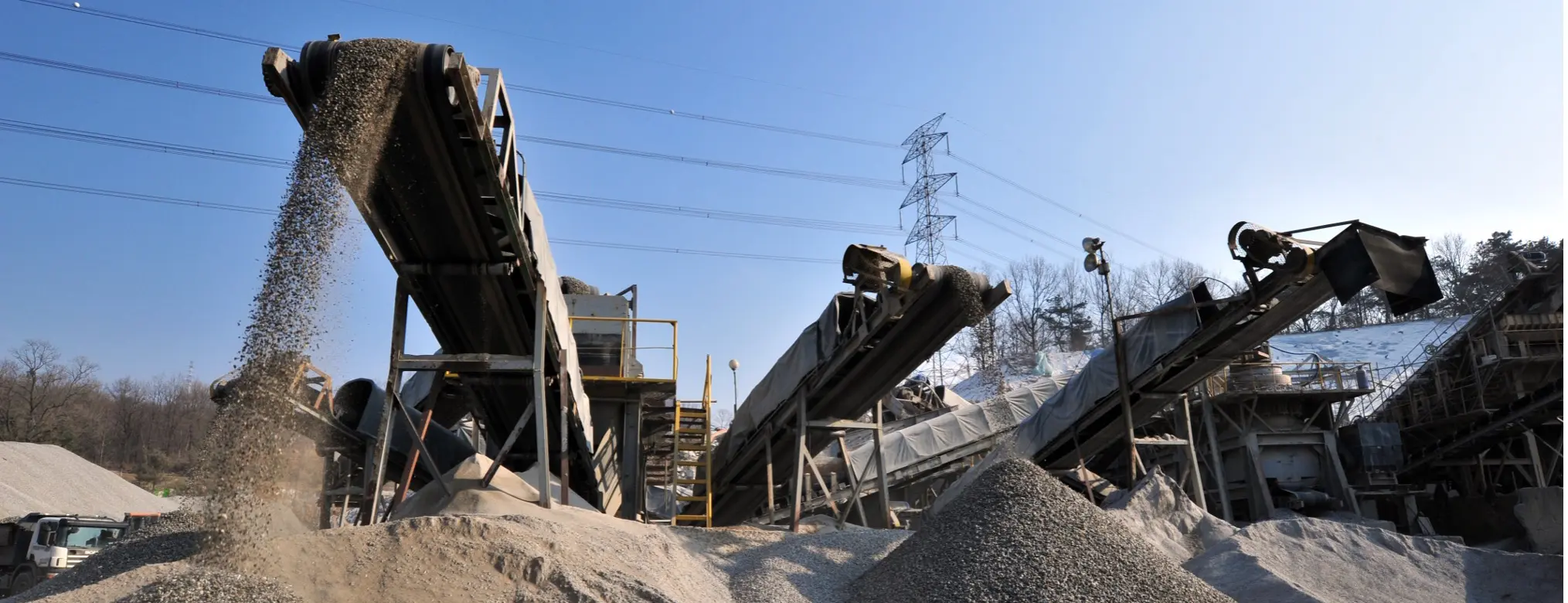
Construction aggregates are the foundation of every construction and critical infrastructure project, providing the essential structural integrity, long-term durability, and long-lasting performance required for modern day engineering. Whether your project calls for natural sand, gravel, crushed limestone, manufactured sand, recycled aggregates, or specialty aggregates, selecting the right product is essential for performance.
Without high-quality aggregates, our roads would crumble, and our structures would fail prematurely. Understanding what aggregates are, where they’re used, and the terminology that surrounds them, is the first step in making sure that you have the right material to build with confidence.
What Defines a Construction Aggregate?
Aggregates are produced from mined minerals that are extracted and processed into granular materials. They can be crushed, washed, screened, or otherwise processed to meet specific engineering, sizing, and performance requirements.
The key to selecting the right aggregates for your project is to understand the specific strengths of each type:
Natural Aggregates
Natural aggregates can be dredged from riverbeds or other bodies of water or extracted from glacial deposits in quarries or “pits.” These materials may require minimal processing, but they are frequently washed or screened to ensure size consistency and quality. They can also be crushed to meet specific sizing requirements.
- Gravel – Naturally rounded stones typically used for drainage and walkways.
- Natural Sand – Fine‑grained material formed through the natural weathering of rock; essential for smooth masonry work and high‑quality concrete finishes.
Crushed Stone Aggregates
These materials are mined from select geologic formations, mechanically crushed to achieve the desired shape and gradation, then screened and washed into finished products. Common sizes include #57 stone for drainage and concrete mixes, #8 stone for asphalt mixes and pipe bedding, and base blends such as #304 or #411 designed for compaction.
- Crushed Limestone – Mined then crushed into various sizes and shapes, creating a versatile material used for everything from high-strength road bases to structural foundations.
- Manufactured Sand – Produced by crushing stone into sand-sized particles that offer high-strength for concrete and mortar mixes.
- Recycled Aggregates – Reclaimed concrete or asphalt that is crushed into reusable aggregates to support sustainable building practices.
- Specialty Aggregates – These include heavy-duty materials like riprap (large, oversized stones used for shoreline protection and erosion control) as well as ag lime, a finely ground limestone used as a critical soil additive to balance pH levels in agricultural and environmental applications.
Primary Uses of Aggregates in Construction
Aggregates are the most used construction material in the world. Their versatility makes them ideal for:
Road Base and Subbase
Tightly packed aggregates create a stable, load-bearing layer that prevents cracking and premature pavement failure.
Structural Fill
Aggregates help shape and stabilize construction sites by leveling and reinforcing areas for building pads, embankments, and foundations.
Concrete and Asphalt Production
Aggregates make up about 60% to 80% of concrete mixes and 90% of asphalt mixes, improving strength and compaction.
Drainage
Clear-graded aggregates allow water to flow freely through open voids, reducing standing water and the pressure that can build when water is trapped.
Erosion Control
Aggregates absorb and slow water flow to protect soil and structures from washouts.
Key Properties & Terminology
Engineers and contractors rely on specific characteristics to ensure optimal performance. If you are looking at a spec sheet, you will likely encounter these terms:
Gradation
Refers to the distribution of particle sizes, which are typically outlined in a gradation chart.
- Dense Graded – A blend of large, medium, and small aggregate particles designed to compact into a dense, stable layer. This material provides a strong, supportive base for roads and foundations.
- Clear Graded – Screened and/or washed stone without fines, ideal for drainage, concrete or asphalt mix designs, and erosion control.
- Fines – The smallest particles used for leveling, blending into mixes, or as fill in construction and landscaping.
Shape & Texture
Angular stones interlock for stability in load-bearing applications, whereas rounded stone is often used for drainage.
Strength & Durability
This measures the stones’ ability to withstand crushing and weather over time.
Washed
Cleaned to remove excess fines or organic material that could compromise the integrity of bond with asphalt or cement.
Compaction
The process of packing particles closely together to increase density and load-bearing capacity.
Sieve
A series of mesh screens used to sort aggregates by size.
Choosing the Right Aggregate for Project Success
Selecting the right aggregate is more than just picking out a rock; it’s about choosing the right foundation for your project’s success. The long-term success of a project depends on matching the right material to the specific needs of the project. Using the wrong type or size aggregate may not make a difference right away but later down the road you’ll notice potholes, cracking foundations, or major drainage problems.
Understanding how these materials perform helps you avoid failures, delays, and unnecessary costs. At the end of the day, your foundation is only as strong as the material it sits on and the material it is made of. Partnering with a supplier who knows these specs inside and out ensures your project is built to last.
Need construction aggregates for your project? We’re here to help you navigate the specs and find the best solution for your needs. Let’s build together. Contact us today.
Frequently Asked Questions
Why choose “Washed” over “Unwashed” aggregate?
Washed aggregates have been processed to remove fine particles. In concrete, excess fines can prevent the cement from bonding correctly to the stone, weakening the structure. In drainage applications, washed stone is necessary to prevent clogging and maintain flow.
Why does grading matter?
Grading determines how well the material compacts, drains, and performs under heavy loads.
Do aggregate sizes vary by location?
Yes. While there are national standards like ASTM and AASHTO, many sizes and “nicknames” are determined by local DOT specifications.